
When Menopause and Cancer Collide: The Hidden Challenges Facing Women in Mid-life

Attending ASCO 2026 was a powerful reminder of both the progress being made in cancer care and the work that still lies ahead. As a healthcare marketer and RN working within the gynecological cancer space, I left feeling hopeful about the future of treatment while also reflecting on how the challenges women face in mid-life can often feel like “the perfect storm.” Menopause brings a host of physical and emotional changes—hot flashes, sleep disruption, fatigue, brain fog, anxiety, and joint pain, to name a few—and despite growing awareness and support, many women are simultaneously managing demanding careers, caregiving for aging parents, and a wide range of family responsibilities, all while navigating symptoms that can be difficult to distinguish from early warning signs of gynecologic cancers.

These symptoms can mask early warning signs of gynecological cancers, leading to delayed diagnoses. There is currently a lack of screening tests for endometrial and ovarian cancers, making symptom awareness and education increasingly vital for earlier diagnosis and better outcomes. Many patients report not being diagnosed until up to two years after symptoms began. If a diagnosis of endometrial, ovarian, or cervical cancer occurs, it can intensify these mid-life challenges and change everything they once knew to be normal. Treatment often triggers sudden or surgical menopause, with symptoms that can be even more severe than natural menopause. While these realities are daunting, ongoing research and advocacy are making a difference.
It is disturbing to note that endometrial (uterine) cancer is one of the few major cancers in the U.S. with both rising incidence and rising mortality, while breast cancer mortality has generally declined due to advances in screening and treatment. Incidence among many racial and ethnic groups has been increasing by approximately 1.8%-2.6% per year since 2013, and mortality has risen approximately 1.6% per year since 2014 (Sources: American Cancer Society and SEER). While overall cervical cancer rates have declined due to screenings and HPV vaccination, studies have found that advanced-stage cervical cancer is increasing about 1.3% annually in the US over the past two decades (Health.com).
Key Statistics
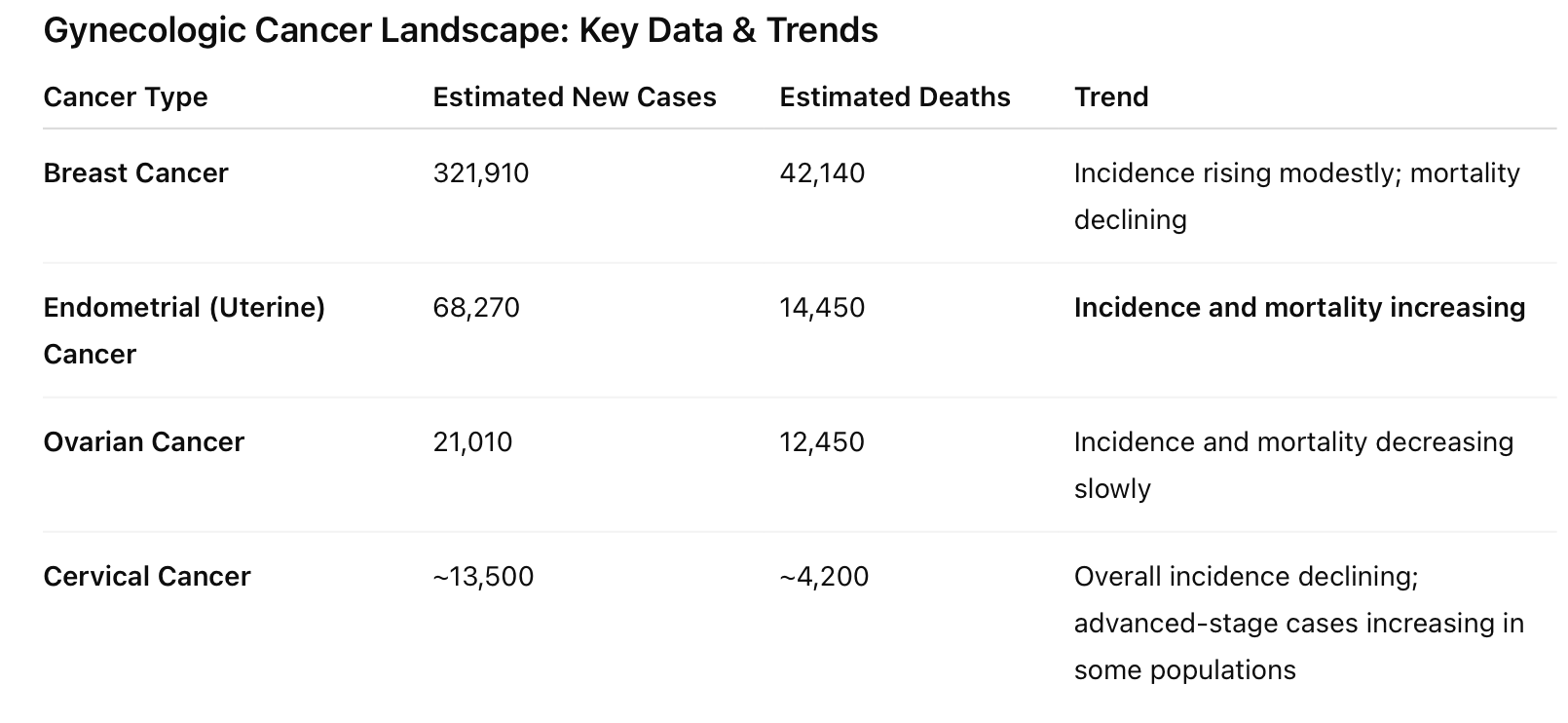
Overall incidence declining, but advanced-stage disease increasing in some populations
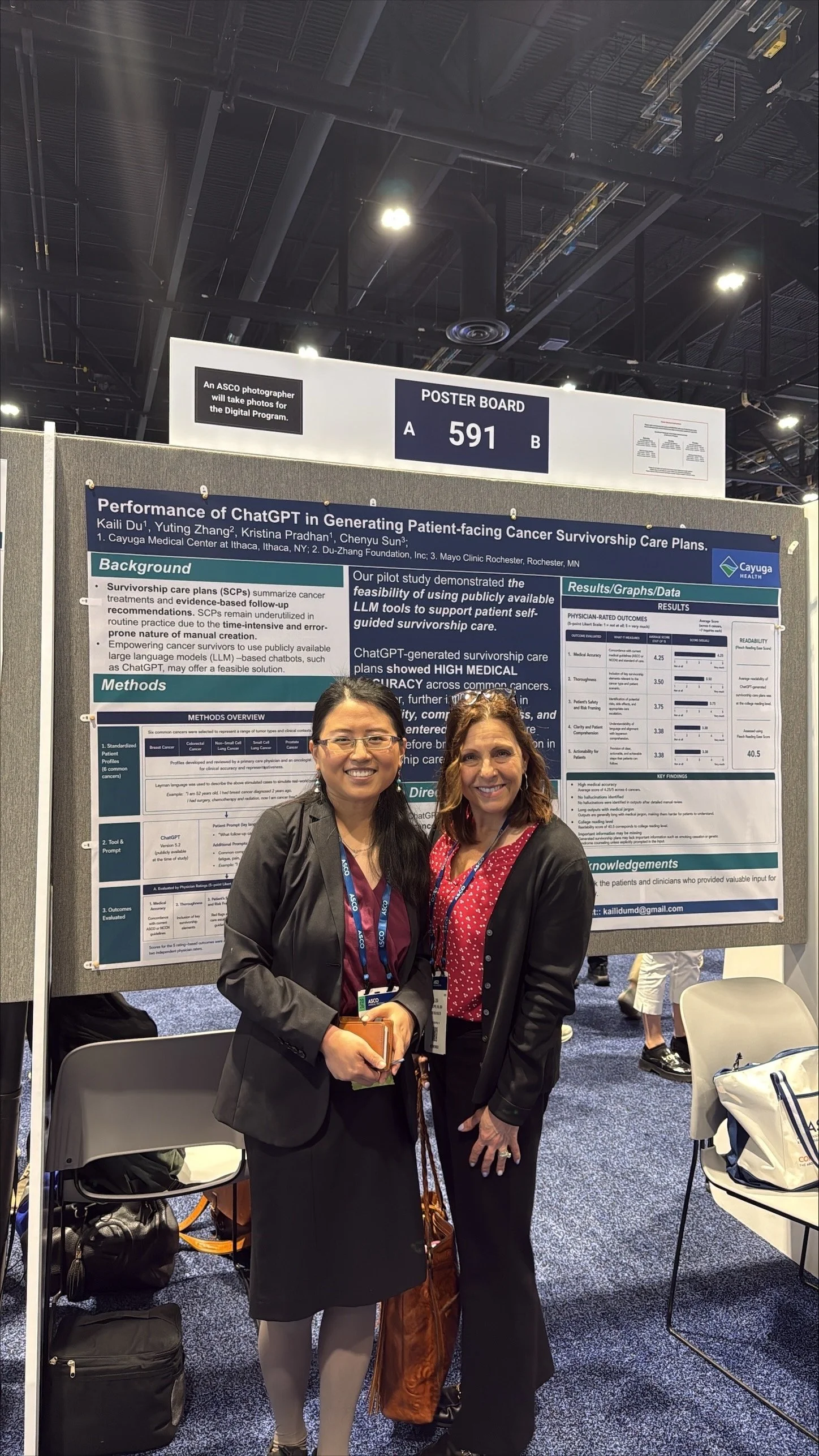
While these numbers are concerning, ongoing research and advocacy are making a difference. Having the pleasure to attend the ASCO 2026 conference this year enabled me to bring back some hope for women facing a diagnosis with gynecological cancers. It was inspiring to see the latest advancements in biomarker-derived therapies and ADCs, which will positively impact the treatment paradigm. There is encouragement that education and support are available to help women minimize and manage side effects while on treatment, so they can get back to doing the things that matter most to them.
As we continue to face these challenges together, increased awareness, education, and support can empower women in mid-life to navigate menopause and cancer with greater confidence and hope.
The future is bright!