
Key Takeaways from MAPS 2026: Where Medical Affairs Is Headed Next
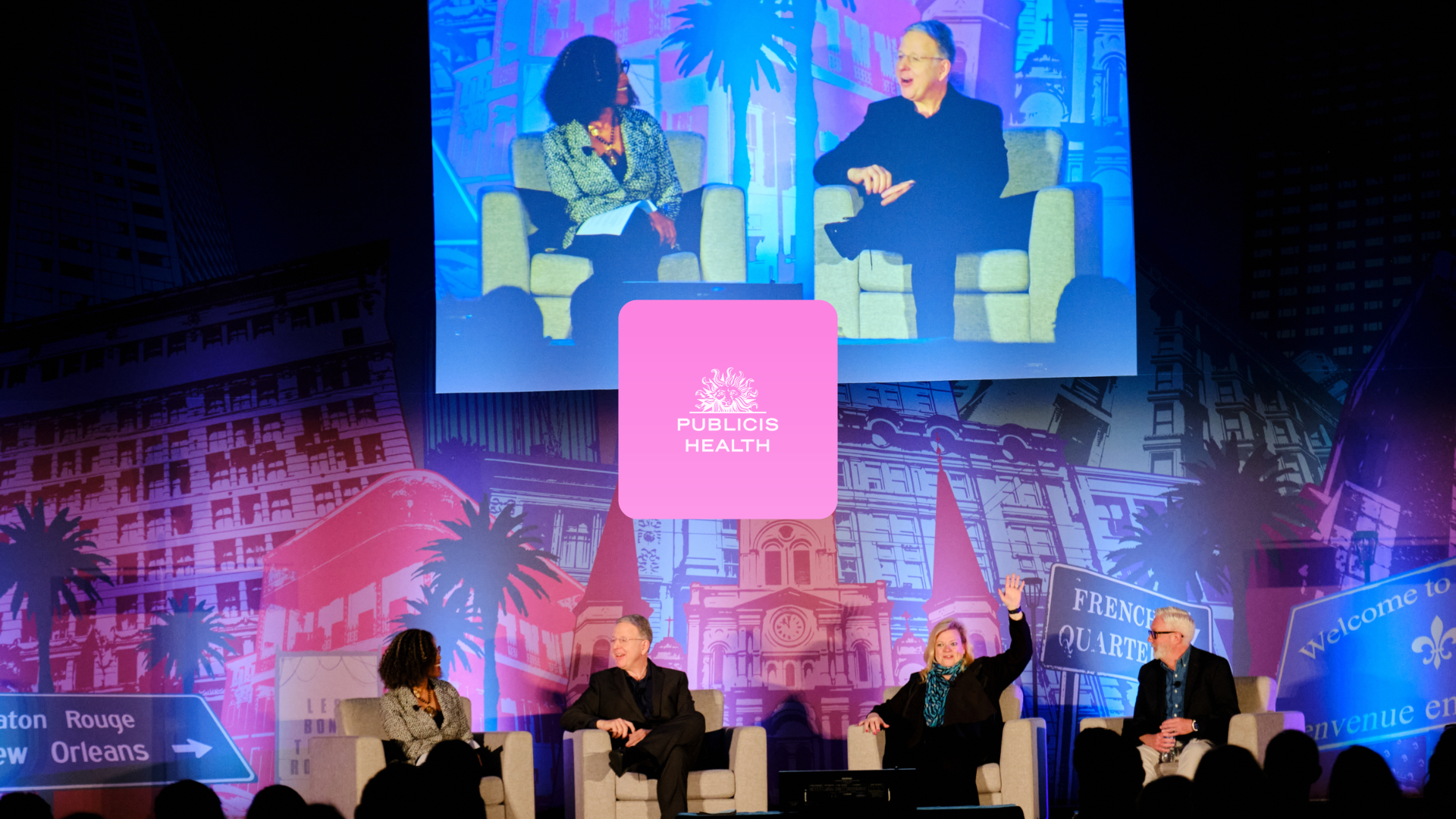
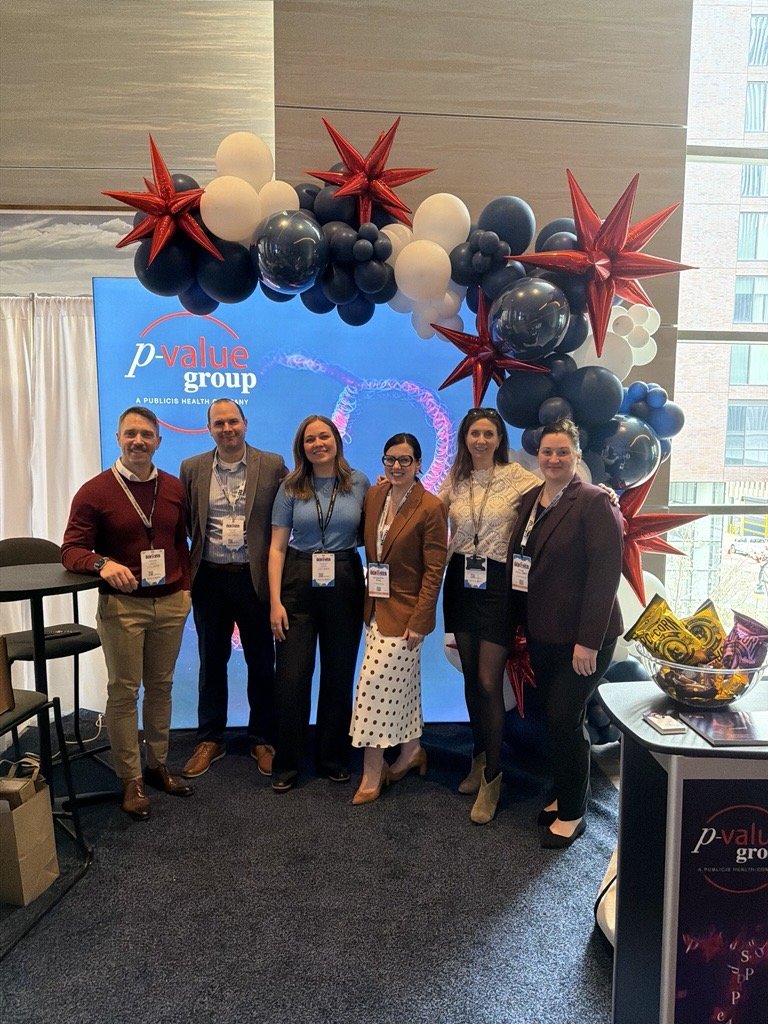
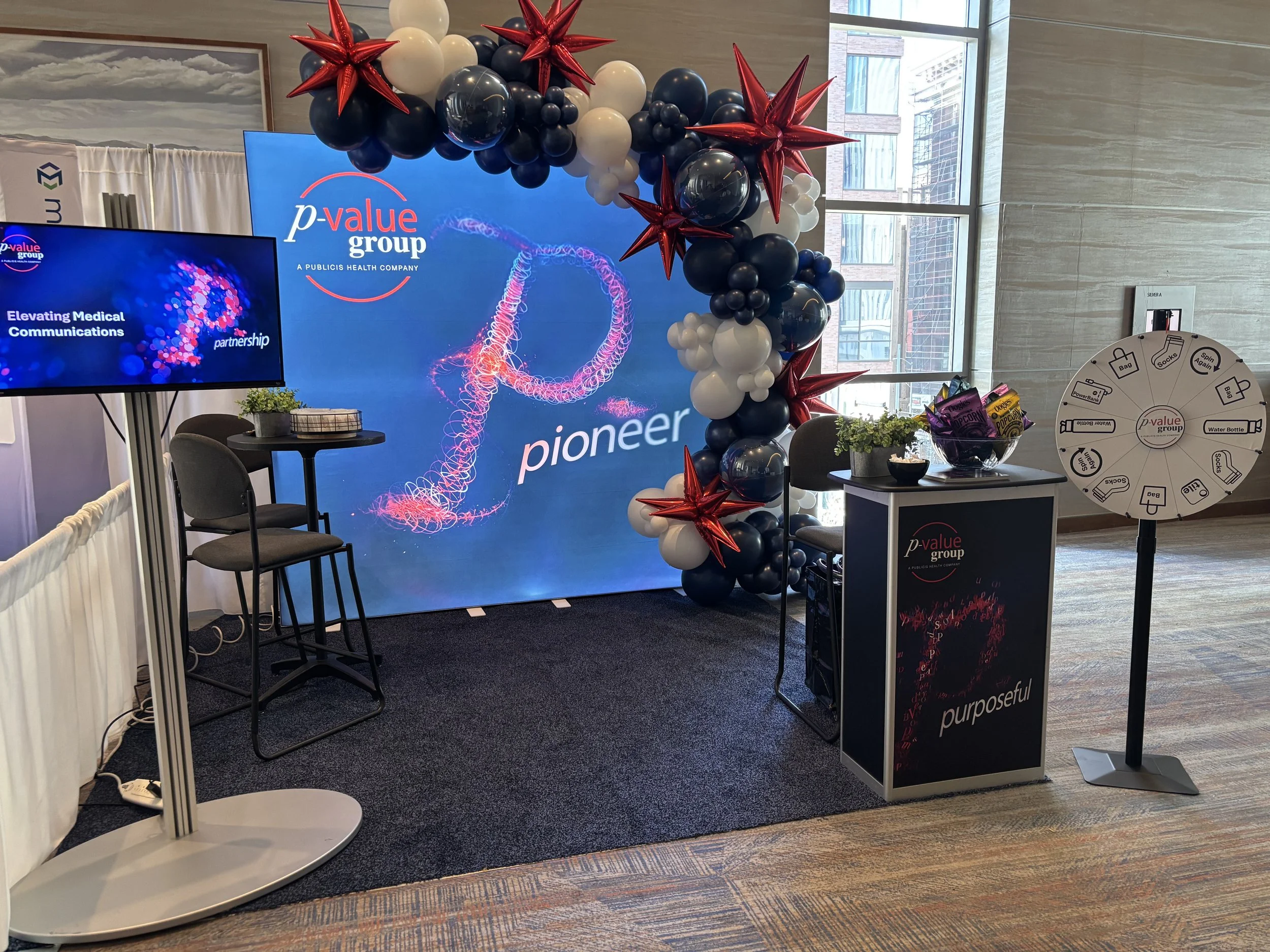
The p-value team, alongside their partners at Langland, recently attended the Medical Affairs Professional Society (MAPS) Annual Meeting in Denver, Colorado, one of the most influential gatherings for leaders across medical communications and the pharmaceutical industry.
This year’s event brought together forward-thinking professionals committed to shaping the future of Medical Affairs. Beyond the formal sessions, it offered a valuable opportunity to strengthen existing relationships, connect with new partners, and exchange ideas on where the industry is heading.
What We’re Hearing Across the Industry
Several clear themes emerged from this year’s sessions and conversations, signaling where Medical Affairs is rapidly evolving:
AI Completely Dominated the Conversation
Multiple sessions focused on AI in Medical Affairs workflows, including literature review, evidence synthesis, and real-time insights. The main takeaway was that AI is now expected infrastructure, not experimental. With AI + digital engagement rising, compliance discussions were everywhere, with many trying to uncover a framework around content generation, data usage, and interaction tracking.
There Is Increased Pressure to Demonstrate Measurable Impact
Teams are under pressure to quantify the value of Medical Affairs, not just support commercial teams. Tools/platforms showing real-time tracking of scientific engagement and sentiment got a great deal of attention. There was a lot of discussion about a shift in Medical Affairs from activity-based metrics to outcomes (behavior change, clinical impact, decision influence).
Omnichannel Is Now a Medical Imperative
Omnichannel engagement is no longer seen as a commercial-only concept but rather as a central component of Medical Affairs strategy. There is a demand for coordinated content ecosystems across field, digital, and congress channels, and a need exists for modular, reusable scientific content that can be tailored by audience and channel. There was also a lot of discussion about the increased importance of aligning MSL interactions with digital engagement. There was broad recognition that cross-functional integration with commercial is necessary but not fully figured out. It was described as “a constant balancing act,” noting that teams are “leaning in more than ever” but still seeking clearer guardrails.
Looking Ahead
If this year’s MAPS meeting made anything clear, it’s that Medical Affairs is in the midst of a significant transformation.
AI integration, outcome-driven measurement, and omnichannel engagement are no longer emerging trends, they are defining the next era of Medical Affairs. Organizations that can navigate these shifts thoughtfully, while maintaining scientific rigor and compliance, will be best positioned for success.
As Medical Affairs continues to evolve, organizations need more than just awareness of these shifts, they need practical, scalable ways to respond. That’s where p-value can make a meaningful impact. They enable organizations to move decisively by operationalizing AI at scale, reframing measurements around outcomes, and orchestrating integrated engagement across channels. The result is a more strategic, data-driven Medical Affairs function that can clearly demonstrate its influence on clinical practice and patient outcomes.