
Building the Trust Ecosystem in Healthcare Influencer Marketing
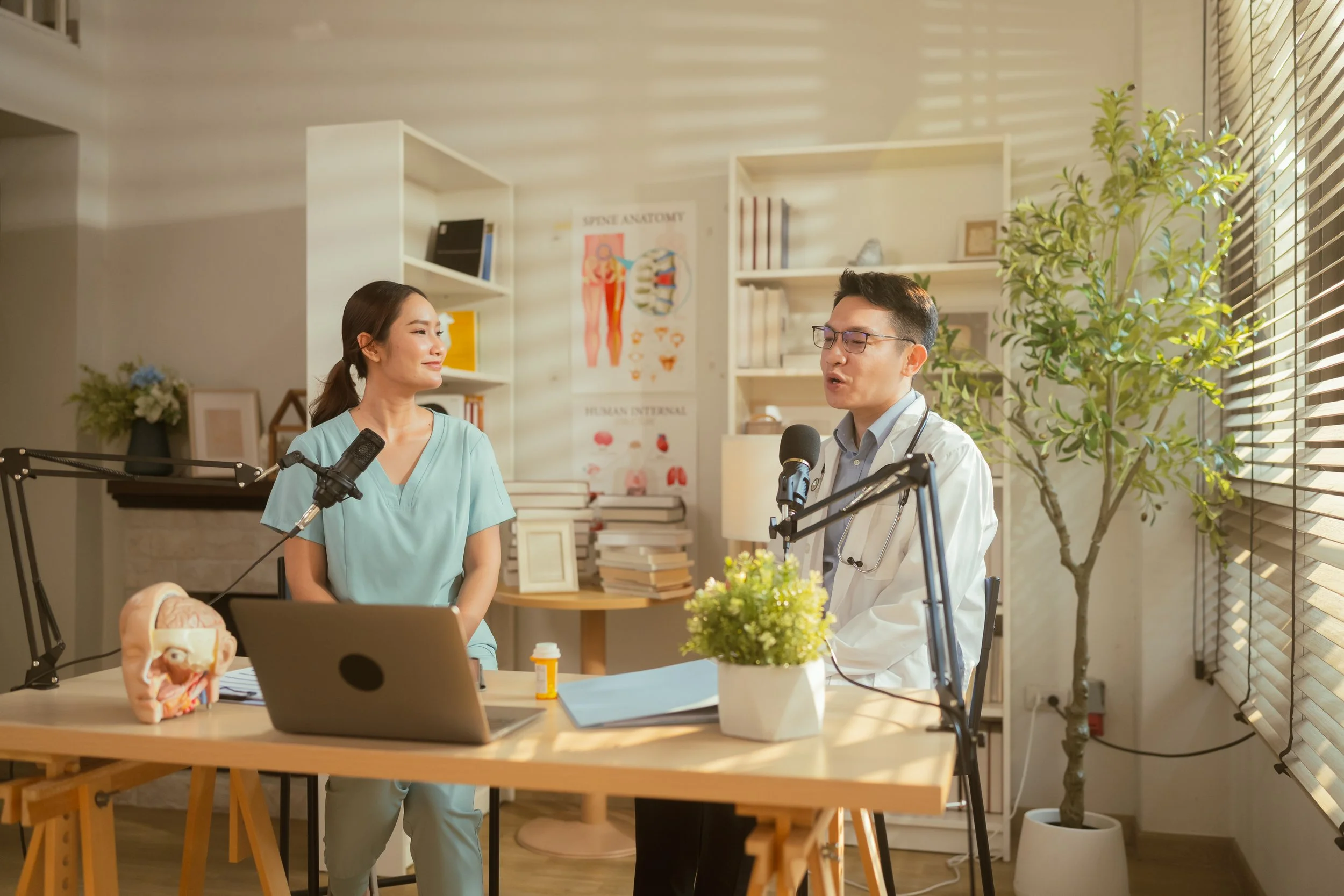
Healthcare influencer marketing is evolving beyond follower counts and one-off campaigns. As patients and HCPs increasingly turn to social platforms to research conditions, share experiences, and inform healthcare decisions, brands are placing greater emphasis on relevance, credibility, and long-term trust.
What are the current trends in the pharma and healthcare influencer space?
According to Mook, the healthcare journey has become increasingly social. Patients are turning to social platforms to research symptoms, side effects, and real-life experiences before speaking with an HCP, while HCPs are using social to follow conferences and stay connected to industry conversations.
This means healthcare decisions are increasingly being shaped before a patient ever enters the exam room. Mook describes the healthcare journey as no longer linear, but rather a network that is “always on” and influenced by culture, peer communities, and shared experiences.
As pharma becomes more sophisticated in its use of influencers, Mook is also seeing a shift away from one-off campaigns toward always-on activations that build and fuel ecosystems. The focus is becoming less about reach and more about credibility, consistency, and community.
At the same time, creator content has another important role: discoverability. As search behavior evolves and people increasingly use AI and large language models to find information, healthcare content needs to be created not only for social audiences but also for the broader digital discovery ecosystem.
How should brands approach relationships with content creators and influencers?
Communication is key, particularly when navigating the regulatory complexity of pharma marketing.
Rather than treating influencers as a distribution channel, brands should bring creators into the process earlier and view them as strategic partners. Creators understand their audiences, their tone, and what makes content resonate within their communities. That knowledge is essential to maintaining the credibility that makes influencer marketing effective in the first place.
Successful partnerships require collaboration across creators, agencies, brands, marketing teams, regulatory teams, and media partners. When everyone understands the creator’s voice and the regulatory guardrails from the beginning, brands can create content that feels natural while still meeting compliance requirements.
What are some of the challenges faced when working with content creators and influencers?
One of the biggest challenges is alignment. Mook notes that every pharma client can have different rules and requirements for influencer partnerships, making it important to establish the right creator, strategy, media approach, and messaging guardrails before execution.
Finding the right creator can also be particularly complex. In some cases, a consumer influencer may need to have a specific condition and be taking a specific treatment, significantly narrowing the pool of potential partners and adding time and resources to the process.
The challenge is ultimately finding the right balance between authenticity, relevance, and compliance.
What is the best part of working in the influencer and content creator niche of healthcare and pharma marketing?
The biggest opportunity is the ability to create meaningful impact.
Healthcare influencer marketing can do more than drive engagement. It can help people better understand their conditions, ask more informed questions, navigate treatment decisions, and feel less alone in their healthcare journey.
Mook sees social, creators, data, and AI coming together to redefine how healthcare brands communicate. When these elements work together effectively, content can become more human, more precise, and ultimately more impactful.
Where do you see this segment heading in the future?
Mook expects healthcare influencer marketing to eventually reach a point of saturation, where simply working with creators will no longer be enough to stand out. As more brands enter the space, influencer content could become another form of digital “white noise.”
The brands that stand out will be those that build the right operational foundation and rigor to scale their influencer ecosystems thoughtfully. Rather than constantly reacting to trends, they will have the infrastructure to create consistent, credible, and discoverable content.
We anticipate that regulatory teams and brands will become more comfortable with influencer content over time, allowing for faster review and quicker movement to market while maintaining necessary safeguards.